Over the past few months, I’ve been speaking with agency owners, board directors and senior leaders across the events and brand experience world, and a clear pattern has emerged.
Everyone is talking about AI, but not in the doom-and-gloom way you might expect.
The overwhelming view is simple.
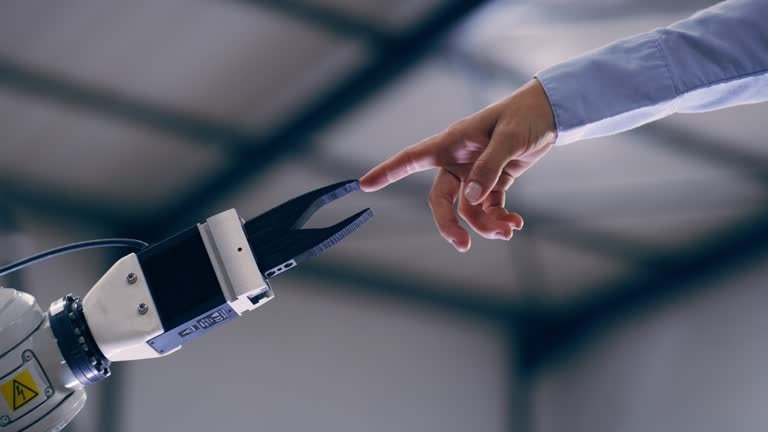
AI isn’t replacing people. It’s freeing them.
One MD summed it up brilliantly:
“AI’s not taking jobs away, it’s taking the rubbish parts of them.”
And they’re right. AI is lifting the stuff that slows people down, the tasks that drain time and energy without adding value. When the admin, the scheduling and the repeat updates are handled automatically, people actually get space to think again. To lead. To collaborate. To contribute properly.
And that can only be a good thing.
From cost-cutting to value-building
What’s been most interesting is how agency leaders are reframing AI inside their businesses. Yes, the word “automation” still triggers the occasional fear of headcount cuts, but the most forward-thinking leaders aren’t going down that route.
They’re talking about redistribution, not reduction.
One CEO put it bluntly:
“We aren’t reducing headcount. We’re repurposing it.”
AI is helping teams work smarter, which means budgets can be redirected toward leadership, creativity and client experience rather than roles that exist purely to keep processes moving.
No one I’ve spoken to sees AI as a shortcut or a cost-cutter. They see it as a way to protect quality while keeping pace with rising demands.
It isn’t about stripping out people, it’s about ensuring the right people are doing the right work and the work that actually makes an agency stand out.
How the events world is using AI right now
In events, the shift is already visible.
And you know this industry, once something works, word spreads quickly.
I’ve seen agencies use AI to analyse delegate data, manage exhibitor updates and even generate early versions of pitch decks before the creative team refine them. Production teams are feeding show specs into AI to build checklists or highlight gaps, and marketing teams are using it to build campaign outlines before adding the human touch.
None of that replaces the expertise on the ground.
It simply removes the noise around it.
And that’s what people are telling me they’ve missed.
The space to problem-solve.
The moments where a producer can actually think ahead rather than firefight.
The time a client account lead gets back to have real conversations instead of living in the inbox.
One operations director said something that stuck with me:
“It feels like our team has room to breathe again.”
That’s the part of this shift people underestimate. It isn’t about efficiency for its own sake, it’s about giving humans the conditions to actually be brilliant.
Recruitment and AI: smarter, not smaller
Recruitment is no different.
Agencies are using AI for first-draft job specs, shortlisting and scheduling. And to be completely honest, it’s saving people a huge amount of time.
But the line is very clear.
Tech can speed things up, but it can’t make decisions for you.
Not the ones that matter.
It can’t tell you who will actually click with your leadership team.
It can’t spot the person who stays calm when a client changes direction at 4pm on a Friday.
It can’t judge the emotional intelligence required to manage a team on-site.
That’s where my Fitability® approach still sits front and centre, because the human nuance in recruitment is where the real risk is either reduced or amplified.
AI can support, but it can’t replace the judgement that comes from experience, conversation and reading people properly.
Where this is heading
If all these conversations have shown me one thing, it’s that the future of work isn’t becoming less human, it’s becoming more human.
The more AI handles the repetitive, the more headspace and budget goes back into people like the strategists, producers, creatives and leaders who turn ideas into something memorable.
One agency founder gave me a line that I think I’ll use for years:
“AI is the intern we always needed. It never sleeps, it never moans and it lets the rest of us get on with being brilliant.”
AI will keep evolving, but so will we.
And the agencies that embrace it properly won’t lose their identity, they’ll actually rediscover the parts of their work that matter most.
In events, this means more space for creative thinking and genuine connection.
In recruitment, it means deeper conversations and stronger, more informed hiring decisions.
AI isn’t replacing people. It’s freeing them.
And from what I’m seeing across the industry, that shift is long overdue.